Paint Correction Explained — and Why Your Car Probably Needs It
Swirls, holograms, and dull paint aren't permanent. Here's how paint correction actually works, what makes it last, and when to book again.
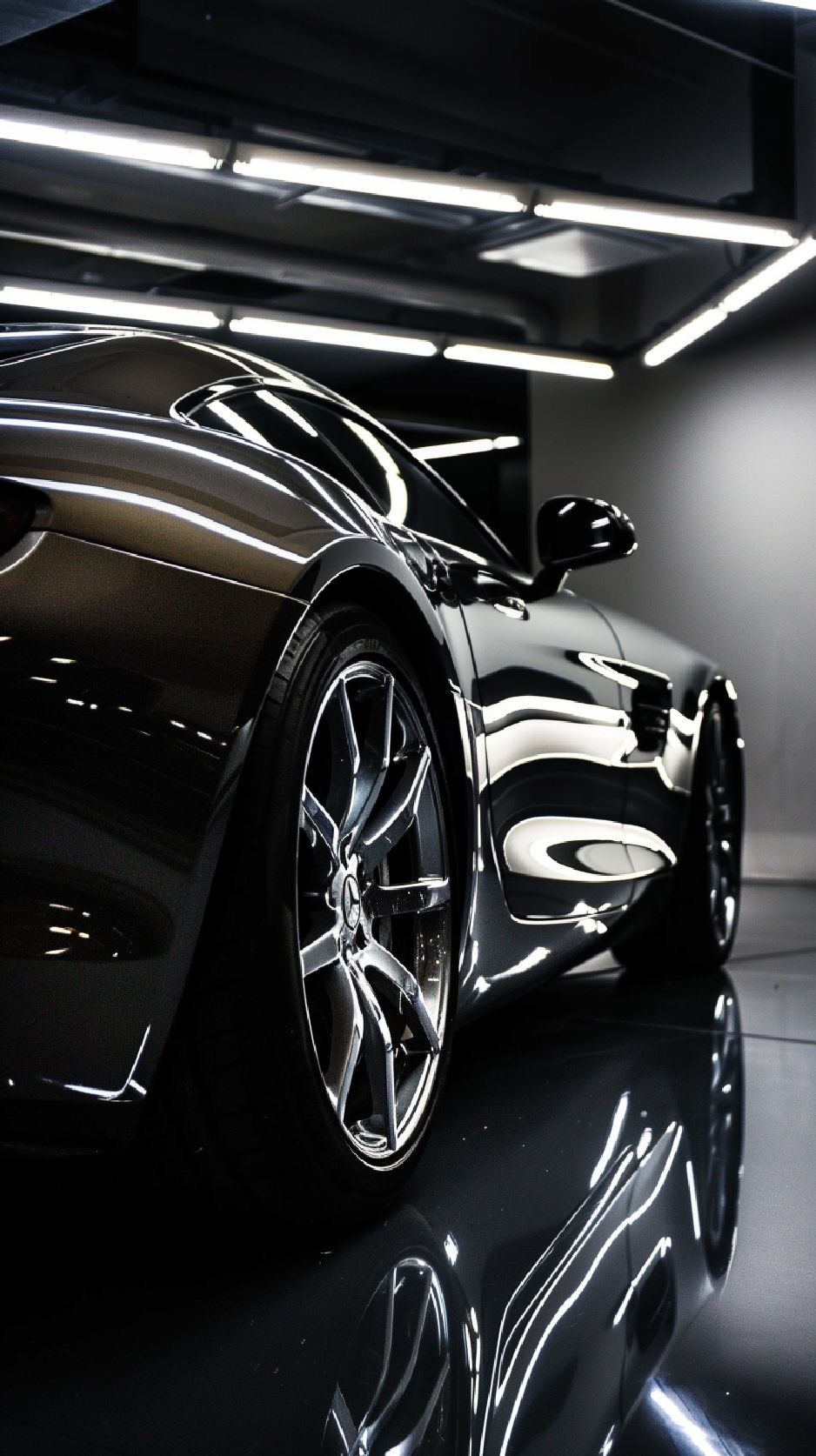
Park any car under direct Johannesburg sun and look at the bonnet from a low angle. The cobweb of fine scratches you see is paint correction's reason to exist. Those swirls aren't in the paint — they're in the clear coat on top of it, and a proper correction removes them for good.
What Paint Correction Actually Is
Paint correction is the controlled removal of a few microns of clear coat using a machine polisher and progressively finer compounds. The goal is to level the surface around the defects until light reflects evenly again. Done right, the depth, clarity, and gloss of the paint look better than the day the car left the factory.
It is not a glaze, a filler, or a "polish" in the supermarket sense. Those products hide swirls for a few washes. Correction removes them.
Single-Stage vs Multi-Stage Correction
- Single-stage correction uses one polish to remove light swirls, marring, and oxidation. It's the right call for newer cars or well-maintained paint and removes around 80% of visible defects.
- Multi-stage correction uses a cutting compound, a polishing compound, and a refining polish. It addresses deeper scratches, holograms from a previous bad polish, and heavily neglected paint — typically 95%+ defect removal.
A skilled detailer will measure your clear coat with a paint depth gauge before deciding. There is a finite amount of clear coat to work with, and correction can only be done so many times in a car's life.
How Long Does Correction Last?
Paint correction itself is permanent — once a defect is gone, it's gone. What isn't permanent is the new finish, because new swirls get introduced every time the car is washed badly.
Realistic timelines for a Johannesburg car:
- 12–18 months with average washing and no protective coating
- 24–36 months with careful two-bucket washing and a sealant
- 5 years or more when the correction is sealed under a professional ceramic coating
What Degrades a Corrected Finish
- Automatic gantry car washes (the single fastest way to ruin correction)
- Dirty wash mitts, the same sponge used on wheels and paint, and one-bucket washing
- Drying with a chamois on dry paint instead of a plush microfibre
- Highveld UV breaking down unprotected clear coat
- Bird droppings, tree sap, and bug splatter left to bake in the sun
When to Book Again
Book a maintenance polish or full correction when:
- Swirl marks reappear under direct sunlight or LED light at 45°
- The paint looks flat instead of liquid
- Water no longer beads or sheets off after a wash
- Hologram lines from a previous polish become visible
The smartest move after correction is to protect the work with a ceramic coating. Otherwise you're paying for a finish the next wash will start undoing. If you'd prefer a bundled correction-plus-protection option, see our detailing packages.
Honest assessments, no upsell. We'll tell you exactly what your paint needs — and what it doesn't.
Book a Detail